High-Gravity Distilling Bottlenecks | Coppercut Catalytics
A plant-floor look at where high-gravity mashes add throughput pressure in spirit production, from viscosity and fermentability to separations and cycle time.
Request pricing A plant-floor look at where high-gravity mashes add throughput pressure in spirit production, from viscosity and fermentability to separations and cycle time.
Request pricingHigh-gravity distilling can look straightforward on paper: more solids in the mash, more fermentable extract per tank, and more alcohol potential per batch. For a beverage alcohol distillery under pressure to increase output without adding fermentation capacity, the appeal is obvious.
But pushing gravity changes the physical and biological behavior of the process. Mash gets thicker. Heat transfer becomes less forgiving. Fermentation stress rises. Transfer losses become more visible. Separations can become harder to stabilize. The throughput gain only becomes real when the plant can keep run time, fermentability, and cut consistency under control.
For production teams evaluating a distilling enzyme supplier for spirit production, the question is not simply whether enzymes can convert starch. The better question is whether the enzyme program supports the actual operating window: raw material variation, cook profile, mash viscosity, fermentation reliability, and cleaner downstream handling.
High-gravity operation aims to increase alcohol production from existing vessels and utilities. In practical terms, the plant is trying to move more extract through the same physical assets.
That can support:
Those benefits depend on keeping the process moving. If viscosity slows mash handling, if fermentation stalls, or if solids carryover disrupts distillation, the gain can be lost in longer cycle times and more intervention.
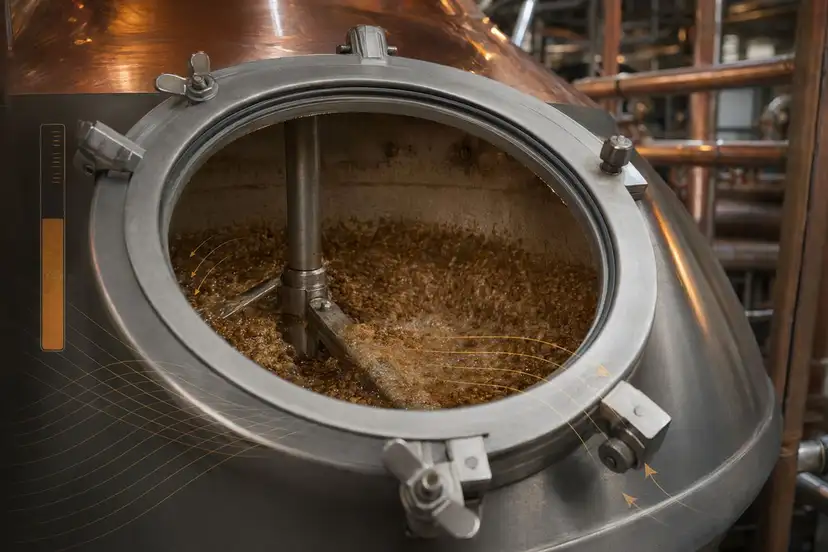
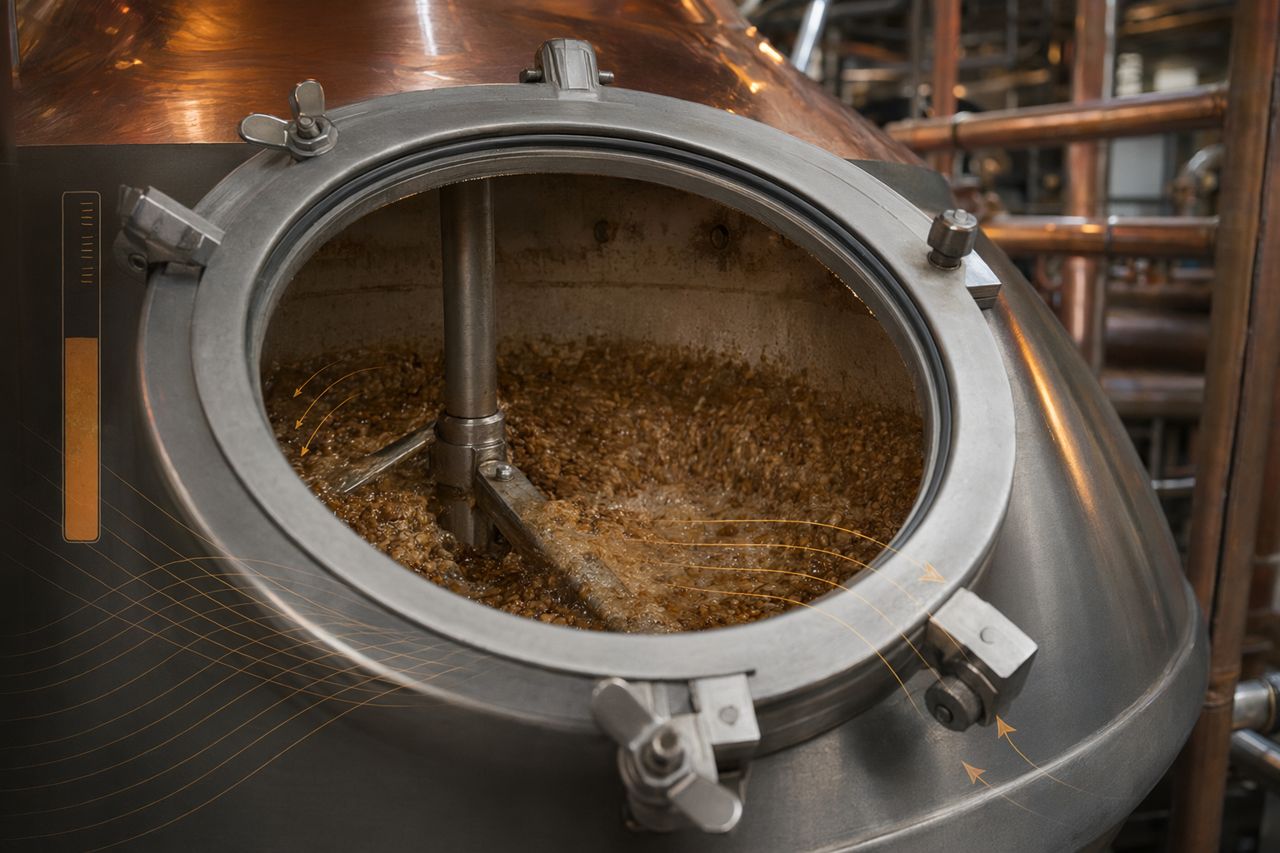
At higher solids, viscosity is often the first constraint operators feel. Agitators work harder. Pump curves shift. Mash transfer times stretch. Temperature uniformity becomes harder to maintain. What used to be a comfortable cook can turn into a marginal one as grain quality, grind, and liquefaction behavior vary.
High viscosity can create plant-floor symptoms such as:
A well-matched enzyme approach helps reduce viscosity early enough to matter operationally. The objective is not just conversion on a lab sheet. It is a mash that can be cooked, mixed, cooled, transferred, and fermented with fewer mechanical penalties.
More starch in the system does not guarantee more usable fermentable sugar at the right time. High-gravity conditions can expose gaps in liquefaction and saccharification strategy. If starch is only partially opened up, or if fermentable release does not align with yeast demand, alcohol yield and fermentation completion can suffer.
Production teams should watch for:
The enzyme program needs to fit the raw material and thermal process. In corn, wheat, rye, barley, sorghum, or mixed-grain mashes, the right balance of liquefaction, saccharification, and viscosity management can determine whether high gravity behaves like a capacity upgrade or a daily troubleshooting exercise.
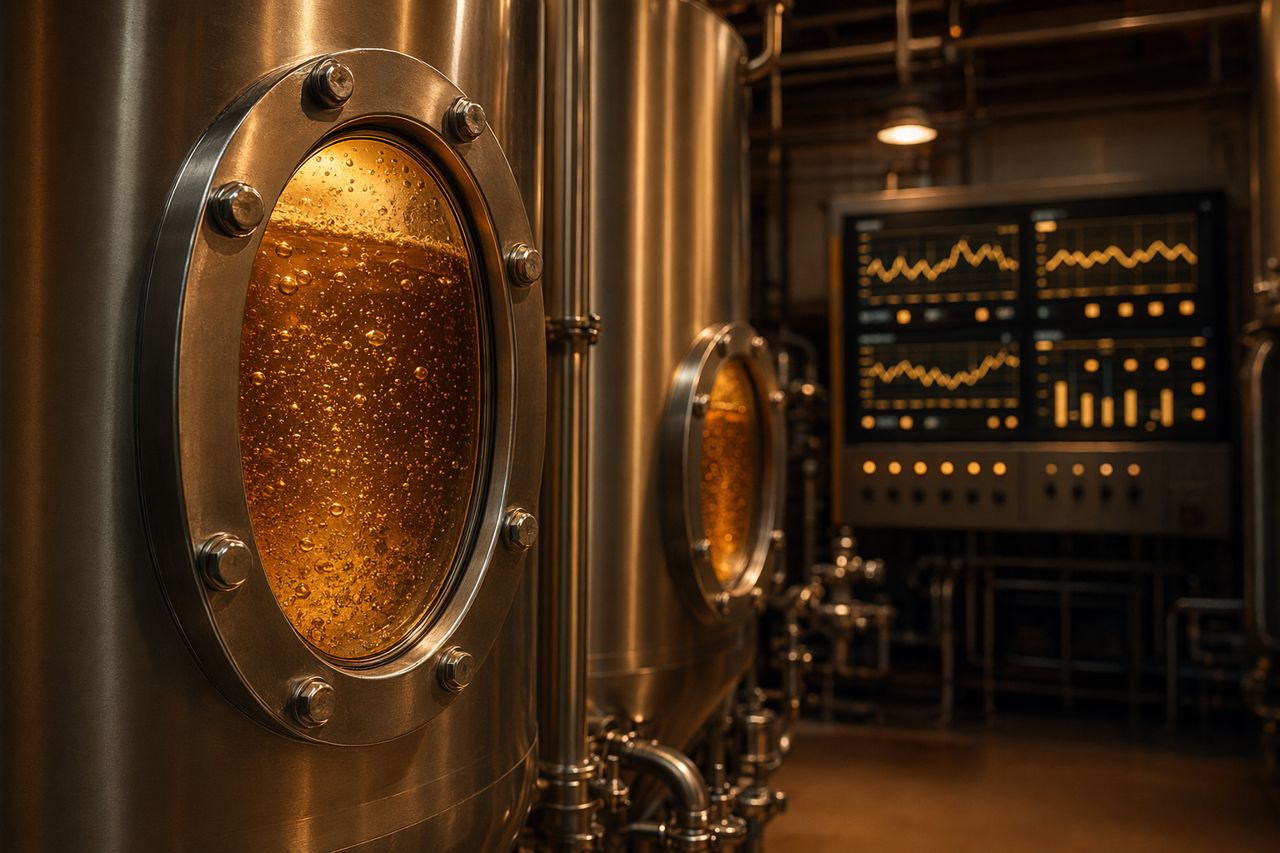
High-gravity fermentation places more pressure on yeast. Osmotic stress is higher at the front end, alcohol stress increases at the back end, and nutrient or temperature variation can have a larger impact on completion. Enzymes do not replace sound fermentation management, but they can influence the substrate profile the yeast has to work with.
A more consistent fermentable profile can support steadier fermentation kinetics. That matters when the distillery is trying to hold schedule discipline across multiple fermenters and avoid late-stage surprises.
Key operating indicators include:
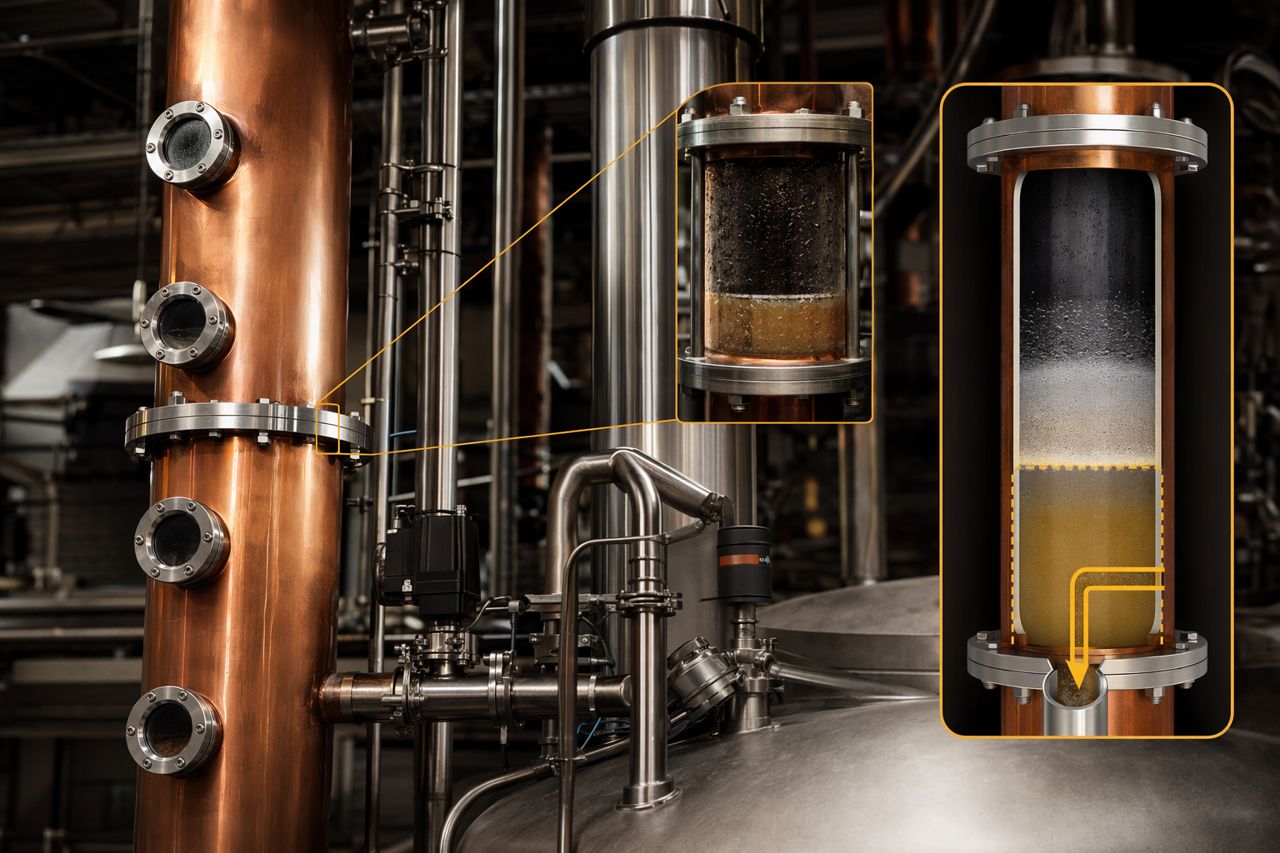
High-gravity operation affects more than the fermenter. Thicker mash, incomplete conversion, or inconsistent solids handling can influence beer still behavior, heat transfer, fouling tendency, foam, and separation stability. Distillation teams may see the impact as unstable feed behavior, shifting run characteristics, or less predictable timing around cut decisions.
Cleaner upstream conversion and viscosity control help give the still a more manageable feed. That does not remove the skill of the distiller, but it gives instrumentation, operators, and control logic a steadier process to work with.
A distillery considering higher gravity should expect supplier guidance that connects enzyme selection to plant reality. Useful conversations should include the process conditions that define performance, not just a product name.
Ask about:
The strongest trials compare operational endpoints that matter to production: pumpability, fermenter completion, alcohol yield, cycle time, consistency, and downstream handling.
For beverage alcohol distilleries, enzyme selection should be built around the constraint that is actually limiting throughput.
Prioritize early viscosity reduction and liquefaction support. The goal is smoother agitation, better heat transfer, faster transfer, and fewer operator workarounds.
Focus on fermentable release and substrate consistency. The target is improved completion without extending the batch schedule.
Look upstream at conversion quality, solids behavior, and mash uniformity. A more predictable beer feed can support cleaner separations and more repeatable runs.
Use an enzyme program that can tolerate realistic variability in grain quality, grind, and process timing. The plant needs robustness, not a narrow ideal condition that only works on the best day.
Raising gravity changes the load on cooking, enzymatic conversion, fermentation, pumping, heat exchange, and distillation. The best results come when the enzyme program is evaluated as part of that system.
Coppercut Catalytics supports beverage alcohol distilleries with enzyme solutions focused on yield, fermentability, viscosity control, consistency, run time, and cleaner separations. We help production teams identify the process bottleneck first, then match the enzyme approach to the operating target.
Planning a high-gravity trial or troubleshooting a current bottleneck? Use the on-site request a quote form and share your raw material, cook profile, target gravity, fermentation cycle, and current constraint. Coppercut Catalytics will respond with a practical enzyme recommendation for your spirit production process.
Tell us your application and volume — we reply with pricing and lead time.