Distillery Wastewater Load and Upstream Conversion | Coppercut Catalytics
How mash conversion, fermentability, viscosity control, and separation efficiency can reduce downstream wastewater stress in beverage alcohol distilleries.
Request pricing How mash conversion, fermentability, viscosity control, and separation efficiency can reduce downstream wastewater stress in beverage alcohol distilleries.
Request pricingIn a beverage alcohol distillery, wastewater is not only a utilities issue. It often starts in the mash tun, cooker, liquefaction vessel, fermenter, beer well, and stillage stream.
When upstream conversion is incomplete or inconsistent, more soluble and suspended material can move downstream. That can raise treatment load, complicate dewatering, increase variability in effluent characteristics, and put avoidable pressure on evaporation, anaerobic digestion, aerobic treatment, or hauling economics.
Coppercut Catalytics works with distilleries that want enzyme programs aligned to production outcomes: fermentability, viscosity control, yield consistency, run time, and cleaner separations. For teams searching for a distilling enzyme supplier for spirit production, the practical question is not simply “which enzyme?” It is “which upstream constraint is creating downstream load?”
High-strength distillery wastewater is expected. Grain, molasses, fruit, or other fermentable substrates all bring organic load. But the degree of variability matters.
Common downstream symptoms include:
These issues are not always solved at the treatment plant. In many cases, the treatment system is reacting to decisions already made upstream.
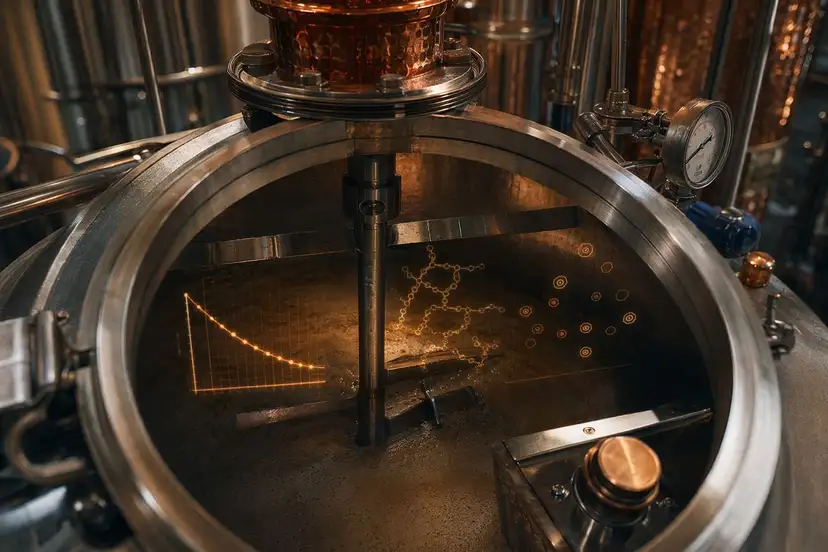
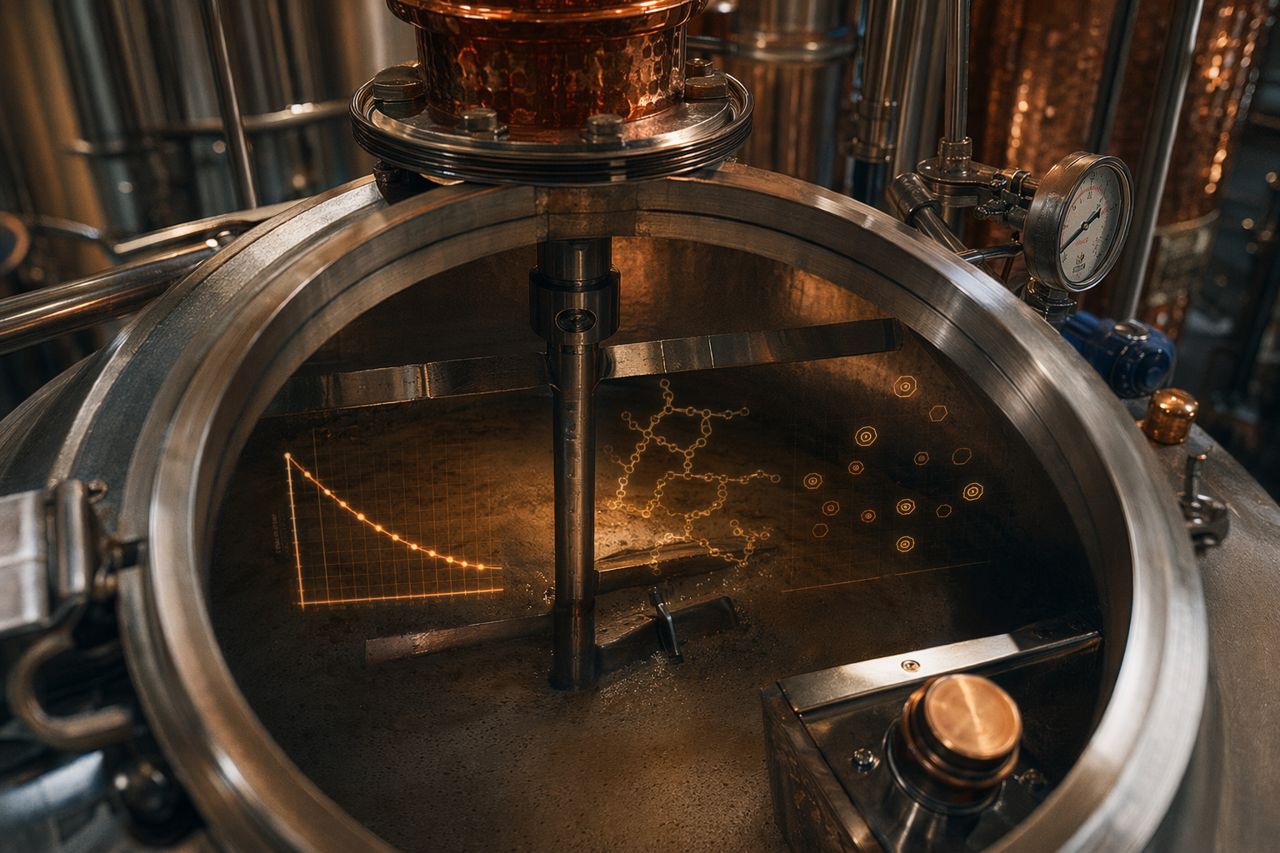
In grain-based spirit production, poor starch accessibility or incomplete hydrolysis can leave residual extract in spent mash and stillage. That material can show up as extra suspended solids, soluble organics, or viscosity that complicates pumping and separation.
A well-matched enzyme program helps open the substrate and support consistent conversion before fermentation. The result is not just a fermentation benefit. It can also mean less unconverted material leaving the process as waste.
Viscous mash slows the plant down. It can reduce heat transfer, restrict pumping, increase hold-up, and make solids-liquid separation less predictable.
Targeted viscosity reduction can improve:
For wastewater treatment, viscosity matters because poor flow behavior can make downstream equipment work harder before treatment even begins.
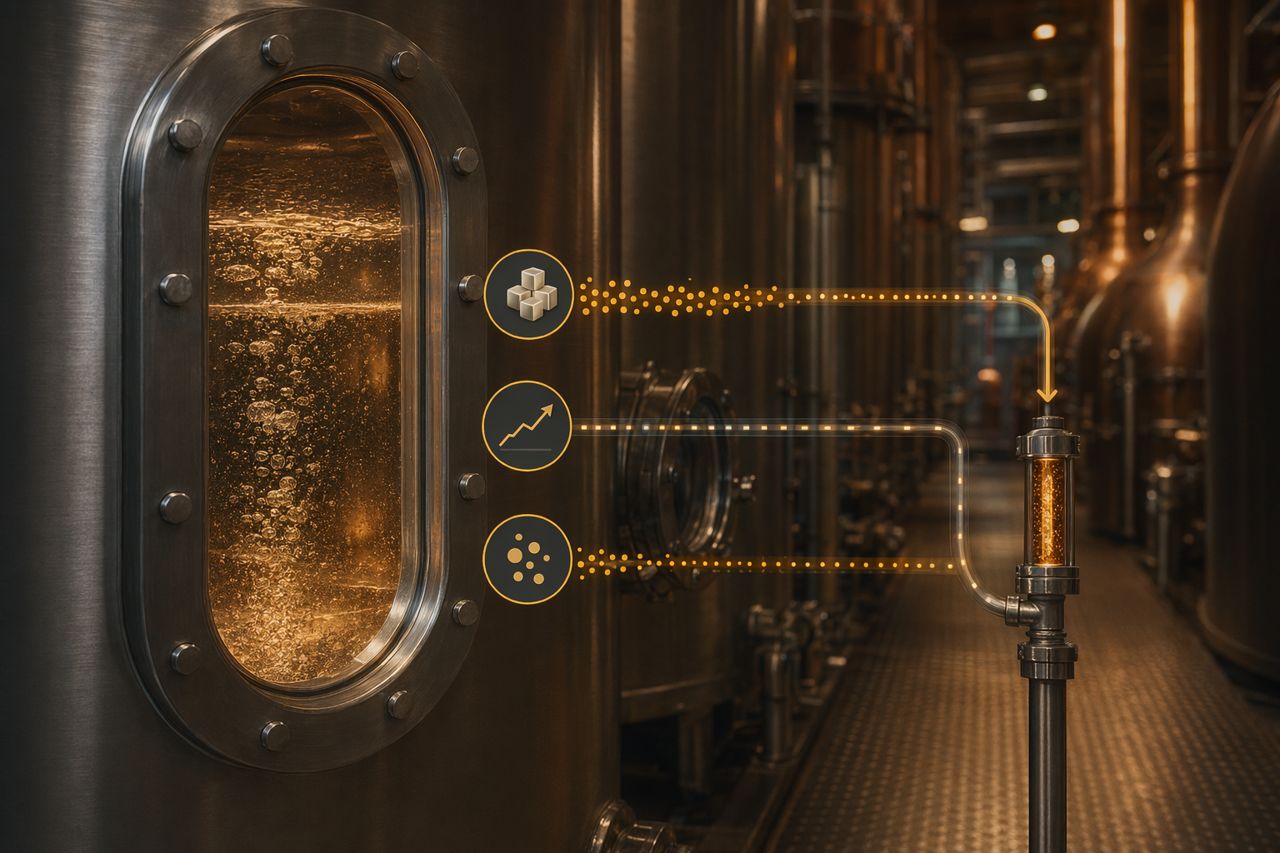
Fermentation efficiency influences how much organic material remains in the post-distillation stream. If fermentable sugars are not released at the right time or in the right profile, the plant may see lower alcohol yield and more residual organics moving to stillage and wastewater.
Enzyme selection should support the distillery’s actual production conditions, including substrate, temperature profile, pH range, residence time, and fermentation target. The goal is controlled fermentability, not unnecessary over-processing.
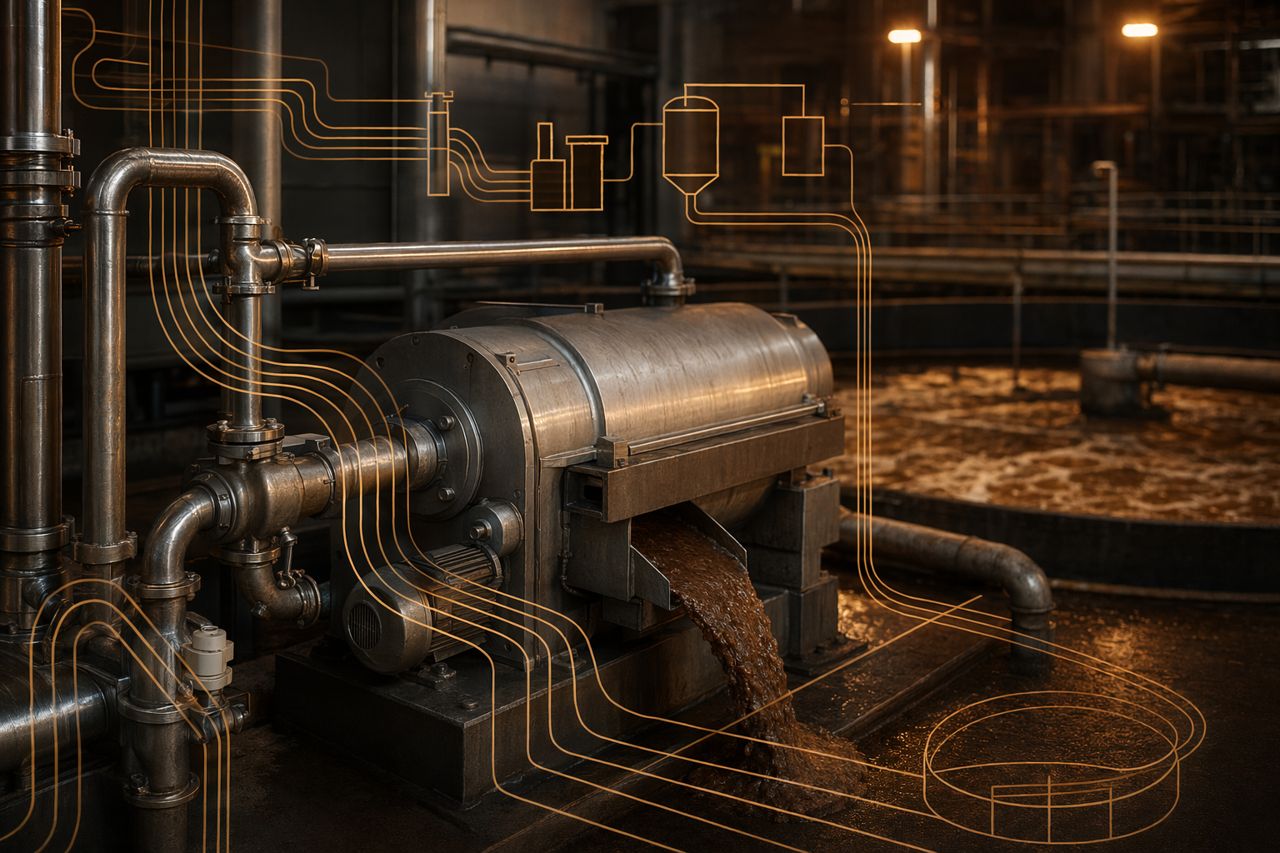
Cleaner upstream conversion can improve the way solids behave after distillation. The objective is not to eliminate stillage load; distilling produces stillage. The objective is to reduce avoidable variability and make separation systems operate closer to their design intent.
Plants may see practical value in:
Before changing chemistry, Coppercut Catalytics recommends mapping the process from substrate preparation to wastewater discharge. The useful questions are operational:
That map turns a wastewater problem into a conversion and process-control discussion.
There is no single enzyme answer for every distillery. A mature program may include enzymes for starch liquefaction, saccharification, viscosity reduction, fiber modification, or substrate-specific conversion support. The blend and application point should be selected around the plant’s process window.
Coppercut Catalytics evaluates enzyme fit based on:
The best enzyme program is one operators can run confidently under real production conditions.
When upstream conversion is better controlled, downstream treatment teams may benefit from steadier loading and fewer process surprises. Expected outcomes should be validated on-site, but the direction is clear: reduce avoidable residuals, stabilize flow behavior, and give separation and treatment systems a more consistent feed.
Potential operational benefits include:
This is where enzyme selection becomes a plant economics decision, not just an ingredient decision.
Coppercut Catalytics supplies enzyme solutions for beverage alcohol distilleries that need dependable process performance. We focus on the link between conversion chemistry and plant-floor outcomes: yield, fermentability, viscosity control, consistency, run time, and cleaner separations.
If your wastewater system is carrying more variability than expected, the next step may be upstream.
Tell us your substrate, process flow, bottleneck, and treatment concern. Coppercut Catalytics will review the application window and recommend an enzyme approach built for your distillery.
Request a quote through the on-site contact form to start a technical review.
Tell us your application and volume — we reply with pricing and lead time.